There Is No Laser Season on the Gulf Coast
The idea that you can only do laser treatments in fall and winter is a myth — especially here. Here are the real rules for safe laser care year-round.
There Is No Laser Season on the Gulf Coast
Let's get something straight: there is no laser season on the Gulf Coast.
You've probably heard it — "wait until fall," "don't do laser in the summer," "come back in October." It's repeated so often it sounds like medical fact. It isn't. It's a rule of thumb that got copy-pasted across the industry without anyone stopping to ask whether it actually applies to where you live and how you live.
Here in Bay St. Louis, the sun doesn't take a season off. Neither should your skin.
Where the Myth Came From
The concern behind "laser season" has always been legitimate — it just got oversimplified.
The real issue is active tan and recent sun damage, not the month on the calendar. When skin is actively tanned, the melanin is elevated and distributed unevenly. Laser energy targets pigment, so a tanned complexion increases the risk of hyperpigmentation, uneven results, or burns. That's a real clinical concern.
But here's what got lost in translation: a tanned patient in December carries the exact same risk as a tanned patient in July. And a patient who is diligent about sun protection in July is just as safe to treat as one in November.
The calendar was never the point. Your skin's current condition is the point.
The Gulf Coast Changes the Equation
Most of the "no summer laser" guidance was written for climates where people actually go indoors for months at a time — where UV exposure drops dramatically in fall and winter, and skin has a genuine chance to recover from summer sun.
That is not the Gulf Coast.
Here, UV index stays elevated year-round. Outdoor culture doesn't pause. You're at the beach in February, on the water in November, and in the sun every single day whether you're trying to be or not. If you waited for "safe sun" weather on the Gulf Coast, you'd be waiting forever.
What this means practically: the seasonal logic doesn't apply to you. What does apply is a consistent, year-round approach to sun protection — before and after treatment.
SPF Is the Real Non-Negotiable
If there's one thing that actually determines whether you can safely do laser treatments in any season, it's your sunscreen habits.
After any laser or IPL treatment, your skin is temporarily more photosensitive. New collagen is forming, pigment is breaking up, and the skin barrier is in a state of renewal. Sun exposure during this window — even brief, incidental exposure — can undo results and cause post-inflammatory hyperpigmentation.
The fix is not to avoid treatment. The fix is mineral sunscreen, applied consistently.
Here's what that looks like in practice:
- Mineral (physical) formula post-treatment — zinc oxide or titanium dioxide. These sit on top of the skin and physically block UV rather than absorbing it chemically. They're gentler on treated skin and less likely to cause irritation.
- SPF 30 minimum, SPF 50 preferred — especially in the first two weeks after treatment.
- Reapply every two hours if you're outdoors. Not once in the morning. Every two hours.
- Don't skip the neck, chest, and hands — these areas are often treated and often forgotten.
If you're already doing this consistently, you are a good candidate for laser treatment in any month of the year.
When to Actually Wait
We're not saying lasers have no limits. There are legitimate reasons to pause — they just have nothing to do with the season.
Active tan. If you've been in the sun recently and your skin is visibly darker than your baseline, wait 2–4 weeks before your appointment. Let the tan fade. This is the real rule.
Upcoming beach trips or outdoor events. If you have a vacation, outdoor wedding, or extended time in the sun coming up in the next two weeks, schedule your treatment after — not before. You want to be able to protect your skin during the healing window.
Accutane. If you're currently on isotretinoin or have been within the past 6–12 months, laser treatments are contraindicated. The medication affects skin healing in ways that make laser unsafe regardless of season.
Active skin infections, open wounds, or active breakouts in the treatment area. These need to resolve before treatment.
Pregnancy. Most laser and IPL treatments are not recommended during pregnancy. Talk to your provider.
Recent procedures in the same area. If you've had a chemical peel, microneedling, or injectables recently, your provider will advise on appropriate timing.
These are the real clinical considerations. None of them are "it's July."
What This Means for Your Treatment Plan
The practical takeaway is this: if you've been putting off laser treatments because you thought you had to wait for fall, you don't. You can start now. You can stay consistent through summer. You can see results year-round.
What you do need is:
- A provider who assesses your actual skin condition — not just the month
- A commitment to mineral SPF before and after treatment
- Honest communication about recent sun exposure and upcoming plans
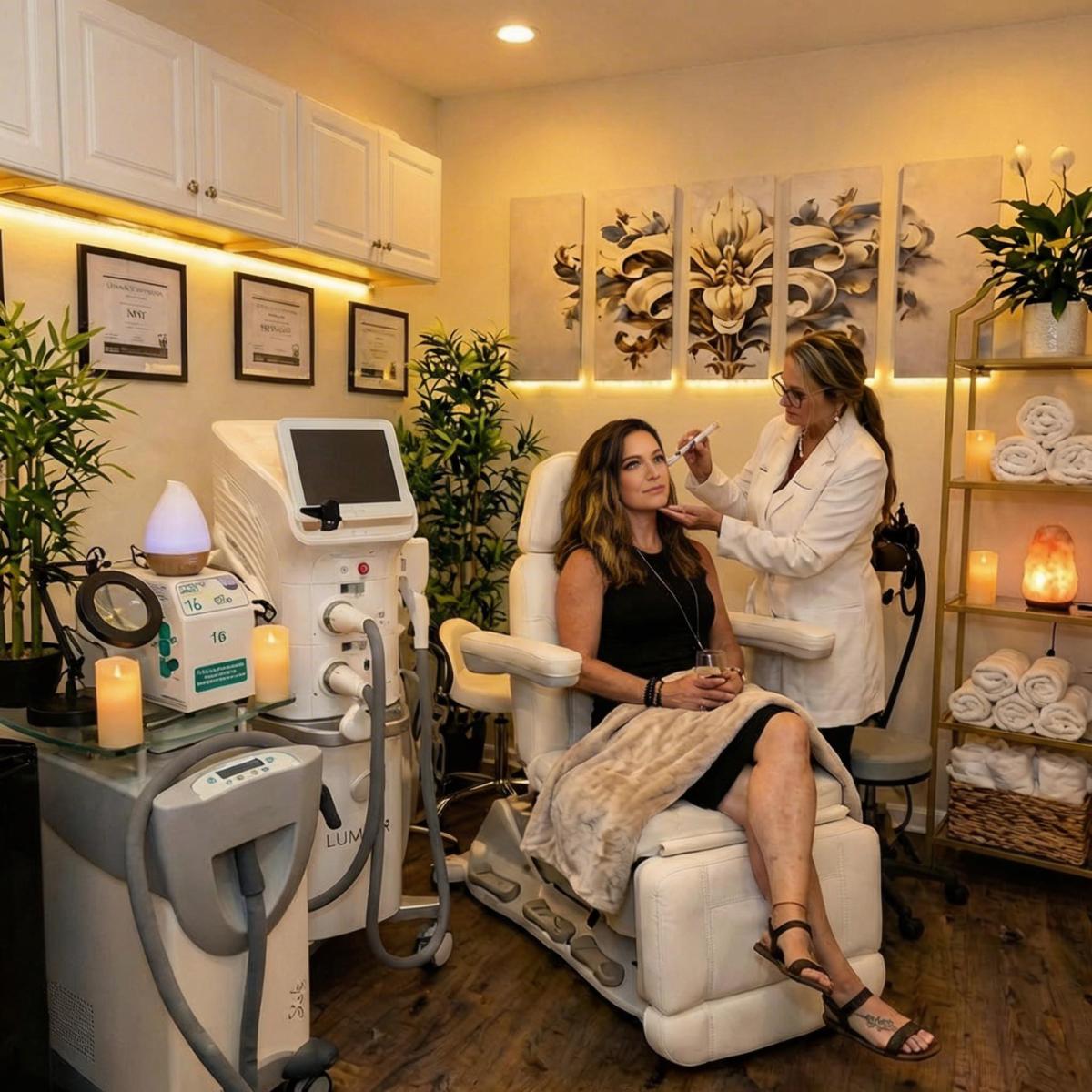
At MerLeaux, we treat patients year-round with Lumenis® IPL, ResurFX fractional laser, and SmoothGlo — and we do it safely because we evaluate each patient individually, not by the calendar.
Ready to Start?
If you've been waiting for the "right time" to begin laser treatments, this is it. The Gulf Coast doesn't have an off-season, and neither do we.
Book a consultation and let's talk about what your skin actually needs — and when.
Share this article
Explore Topics
Written by
MerLeaux Aesthetics & Wellness
Expert insights from the MerLeaux Aesthetics & Wellness team — helping you make confident, informed decisions about your skin and wellness journey.